
Google doesn’t just dock points for dodgy backlinks anymore, it can wipe out your rankings overnight for links that look purchased or manipulated, even if the sites seem legit. Plenty of Australian online stores have paid for cheap link packages without realising they were signing up for a penalty down the track. The good news is safe link building australia still works, and once you know what Google actually rewards, building real authority gets a lot less confusing.
Table of Contents
- What Google Actually Wants From Backlinks in 2024
- Digital PR Agencies That Earn Real Australian Media Links
- Niche Link Building Agencies and Marketplaces
- DIY Link Building With Local Aussie Resources
- How to Choose the Right Option for Your Business Stage
- Wrap-Up Building Authority the Safe Way
- Link Building Australia FAQs
What Google Actually Wants From Backlinks in 2024
Back in 2012, Google dropped a huge update called Penguin that wiped out thousands of websites overnight just for having bad backlinks. That was over a decade ago, and honestly, not much has changed about the core message. Google still wants links that happen naturally because your content is actually good, not links you bought or traded for. For anyone doing link building australia style, this matters more than most people think because Google can spot patterns pretty easily. A handful of shady links might not tank your site, but a pattern of them will. So before jumping into tactics, it helps to know what separates a link that helps you from one that quietly hurts you.
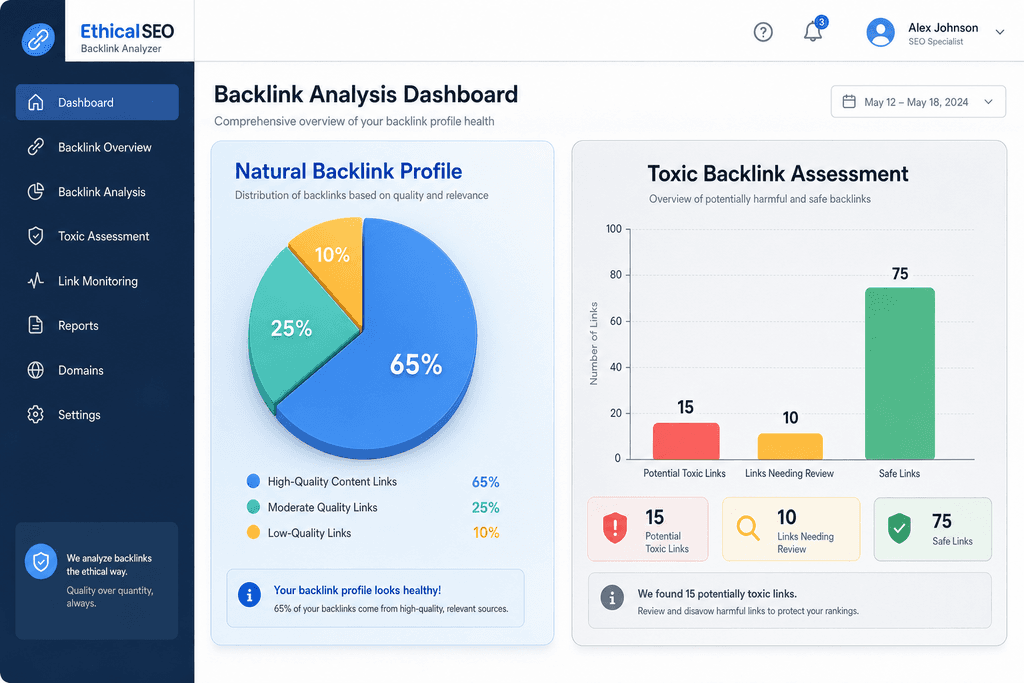
Google has been pretty clear about a few things it does not like. Google’s own spam policies page spells out what counts as manipulative linking, and it is worth a skim if you have never read it.
- Paid links that pass on ranking value without a nofollow tag
- Link farms, which are just clusters of low quality sites linking to each other
- Private blog networks, or PBNs, built purely to push links
- Excessive link exchanges done just to trade authority
The difference between earned links and manufactured ones really comes down to intent. An earned link happens because someone found your content useful and linked to it on their own. A manufactured link exists because someone paid, tricked, or automated their way into it. Google’s algorithms have gotten better at spotting the second type, and the penalties are not worth the shortcut.
For Australian businesses, there is another layer to this. Local relevance plays a bigger role than a lot of site owners realise. A link from a well known Australian publication or industry body tends to carry more weight for local search than a random overseas directory listing, especially if you are trying to rank for buyers actually shopping in Australia. This piece on building authority in the markets you actually serve covers this idea well if you want more detail.
| Link Type | Example | Risk Level |
|---|---|---|
| Editorial mention | News article citing your data | Low |
| Guest post (relevant) | Industry blog feature | Low |
| Local directory | Australian business listing | Low |
| Paid text link | Sponsored placement, no disclosure | High |
| PBN link | Network of fake blogs | High |
| Link farm exchange | Mass reciprocal linking scheme | High |
Digital PR Agencies That Earn Real Australian Media Links
Google’s John Mueller has said plenty of times that links from real editorial coverage matter way more than links you buy or trade for. That’s basically what digital PR is. You pitch a story, a data point, or a new product to journalists and bloggers, and if it’s interesting enough, they write about you and link back naturally. No begging, no paying for placement, just a genuinely good angle that a reporter wants to run.
This works especially well if you’ve got a product launch coming up, some interesting sales data, or a survey result that says something surprising about Aussie shoppers. Journalists love numbers they can turn into a headline. The trick is finding an angle that’s actually newsworthy, not just “we sell nice candles.”
- Product launches – new features or categories give journalists a reason to write
- Data studies – survey your customers or pull sales trends for a stat-driven story
- Newsjacking – tying your business to a current event or trend
Cost-wise, expect to pay somewhere between $2,000 and $8,000+ per month depending on how aggressive the outreach is and how many journalists get pitched. Cheaper options exist, but they usually mean fewer pitches and slower results.
At ScaleCurrent, local link outreach isn’t a separate add-on we upsell later. It’s part of our local SEO plans from the start, because a backlink profile built on real coverage tends to hold up a lot longer than one built on paid placements. For more on how backlink strategy has shifted, this breakdown of link building strategies for 2025 covers the bigger trends worth knowing.
Pros: links look natural because they are, tends to bring referral traffic too, builds brand mentions even without a link. Cons: takes longer to see results, no guarantee a pitch gets picked up, needs a genuinely good story to work.
Niche Link Building Agencies and Marketplaces
Outside of digital PR, there’s a whole world of guest posting services and link marketplaces that Australian businesses use, and honestly the quality swings wildly from genuinely useful to downright risky. Some agencies build relationships with real, relevant sites and get you a guest post that reads naturally and adds value. Others just run a spreadsheet of sites willing to sell a link for a fee, dress it up as a “guest post,” and hope Google doesn’t notice the pattern. It usually does eventually.
Prices for these placements typically sit between $150 and $1,000+ per link, depending on the site’s authority and traffic. That’s a big range, so it pays to ask questions before signing anything.
- Is the site’s traffic real, or mostly bot-driven?
- Does the content get published on other sites word-for-word (a red flag for link farms)?
- Will they disclose the exact sites they’re pitching before you pay?
- Is there any guarantee if the post gets removed later?
| Method | Cost | Risk |
|---|---|---|
| Digital PR | $2k-$8k/mo | Low |
| Guest posting | $150-$1k/link | Medium |
| Link marketplaces | $50-$500/link | High |
Some of the bigger names in Australian SEO, like studiohawk.com.au or prosperitymedia.com.au, run their own outreach programs too, so it’s worth comparing how transparent each provider is about where your links actually come from. Transparency is really the whole game here – if an agency won’t tell you which sites you’re getting placed on before payment, that’s usually a sign to walk away.
DIY Link Building With Local Aussie Resources
Not every link needs an agency behind it. There’s a decent chunk of backlink opportunity sitting right under most e-commerce founders’ noses, and it costs nothing but time. Local business directories, chamber of commerce listings, and industry association pages still carry weight, especially for businesses trying to prove they’re a real, established operation in Australia. Google’s own guidance on creating genuinely helpful content touches on why relevance matters more than volume when it comes to backlinks.
Supplier and wholesaler relationships are another underused option. If you stock a well-known brand, ask if they’ll list you on their “where to buy” page. Industry bodies you’re a member of often have a members directory too, and that’s a free, relevant link sitting there waiting to be claimed.
- List your business on Australian directories like True Local or Yellow Pages
- Reach out to suppliers for stockist page inclusion
- Join relevant industry associations and check for member directories
- Respond to journalist requests through platforms like Qwoted or SourceBottle
The catch with DIY is time. Chasing down ten small links might take a full day, and the payoff per link is smaller than a solid PR hit. It’s less about picking one method over another and more about knowing when outsourcing actually saves money versus when it’s worth doing in-house. For businesses juggling this alongside everything else, that’s often where a structured, audit-first approach – the kind ScaleCurrent starts every engagement with – ends up saving the most time in the long run.
How to Choose the Right Option for Your Business Stage
Google can penalise sites for bought or manipulative links. That risk should sit in the back of your mind whenever someone offers you “guaranteed” links for a flat fee. Link building australia isn’t one size fits all, and the approach that works for a two-person Shopify store won’t work for a brand doing seven figures a year. Matching your strategy to where your business actually sits is what keeps your domain safe and your budget from going up in smoke.
If you’re just starting out, you probably don’t need an agency retainer yet. A mix of DIY outreach, directory listings, and a few guest posts can get you moving without much spend.
- Reach out to suppliers or partners for a natural backlink swap
- Get listed on relevant Australian business directories
- Pitch a handful of niche blogs for guest content
- Use HARO-style platforms to land quick mentions
Once you’re scaling, though, ad hoc outreach stops moving the needle. Growing brands need digital PR paired with a real content strategy, because journalists and bigger publications want a story, not a favour. This is where structured campaigns and ethical link acquisition start to matter more than volume.
Watch out for these red flags before signing with any provider, whether it’s a big name like an Australia link building service or a freelancer on a forum:
- Promises of a specific number of links per month, no matter what
- No transparency on where links will actually be placed
- Pricing that seems too low for the volume promised
- Refusal to explain their outreach or content process
This is also why diagnosing your current backlink profile first matters so much. At ScaleCurrent, we start every engagement by looking at what’s already there, the good, the risky, and the missing, before recommending anything. Skipping that step is how businesses end up paying twice, once for bad links and again to clean them up.
Link Building Australia FAQs
Google’s Webmaster Guidelines don’t carry the force of law, so buying links won’t get you arrested. But it can get your site smashed in the rankings, sometimes overnight, sometimes months later when you least expect it. Aussie store owners ask us a lot of the same questions before they commit to a link building australia strategy, so we’ve pulled together the ones that come up most.
Is buying links illegal or just against Google’s rules
It’s not illegal, it’s against Google’s rules. That means the risk isn’t jail time, it’s your site getting hit with a manual action or algorithmic penalty that tanks your traffic. Paid links that aren’t disclosed break Google’s guidelines, and once you’re flagged, recovery can take months of clean-up work.
How long does it take to see results from link building
Most stores start noticing movement around three to six months in, though it depends on your niche and how competitive it is. Link building isn’t a switch you flip, it’s more like compound interest. The earlier links you build often start paying off just as new ones are landing.
What’s a reasonable monthly budget for a small Aussie store
For a small ecommerce store, somewhere between $1,500 and $4,000 a month is a realistic starting range for genuine digital PR and outreach work. Anything dramatically cheaper usually means low quality links, which can do more harm than good. It’s worth asking any agency, including the ones like studiohawk.com.au or prosperitymedia.com.au, exactly what that budget buys you in terms of placements and outreach effort.
Can bad backlinks be removed or disavowed safely
Yes, though it takes a bit of patience. The process usually looks like this:
- Audit your full backlink profile to spot toxic or spammy links
- Try contacting site owners directly to request removal
- Use Google’s disavow tool for links you can’t get taken down
- Monitor your profile regularly so new bad links don’t sneak in
This is actually one of the first things we look at during a Search Audit, since a messy backlink profile can quietly drag down a store that’s otherwise doing everything right.
Do I need a different strategy than competitors in my niche
Generally yes. What works for a fashion label won’t necessarily work for a hardware supplier, since the publications and journalists you’re pitching are completely different. This is where having someone with actual ecommerce operating experience helps, because local SEO isn’t just about copying what a bigger competitor did last year.
Want more customers from Google and AI search? Tell us about your business.

